


Guinean Parks is a Guinea‑resident non‑government organization established in 2012. Its mission is to conserve the top‑priority protected areas of Guinea and, when necessary, to create new ones. The goal of our project was to re‑establish a connection between the Mount Nimba Strict Nature Reserve and the isolated Mount Gban protected area (Bossou). Mount Gban is home to a well‑studied chimpanzee population whose numbers had declined to a critical level. Our aim was to create a protected corridor through land purchases, allowing safe migration between the chimpanzee populations of Nimba and the forest island of Mount Gban, thereby ending their isolation.
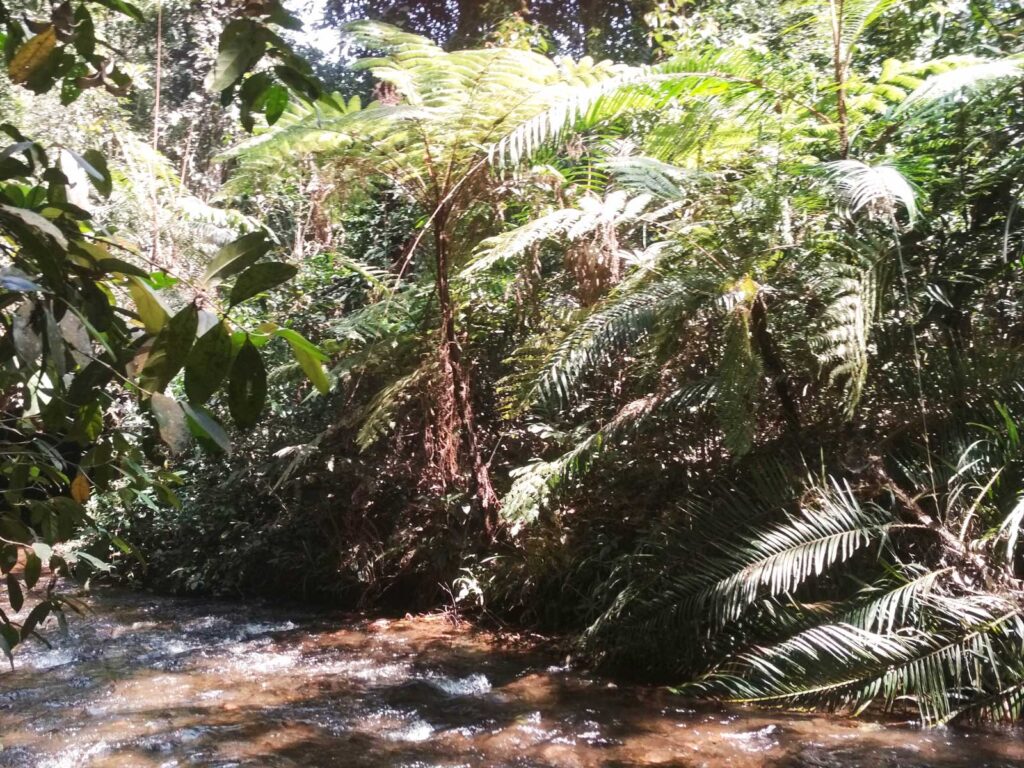
Despite numerous challenges and delays lasting several years, the project was ultimately completed successfully. Shortly after we began, the country entered bankruptcy and experienced a severe financial collapse, which ultimately led to a military coup. Following the government reorganization by the Junta, cycles of instability caused frequent changes in local officials as military representatives replaced civilian staff. These changes led to major bureaucratic difficulties. Throughout this period, the most reliable support came from traditional authorities, rather than unstable government bodies.
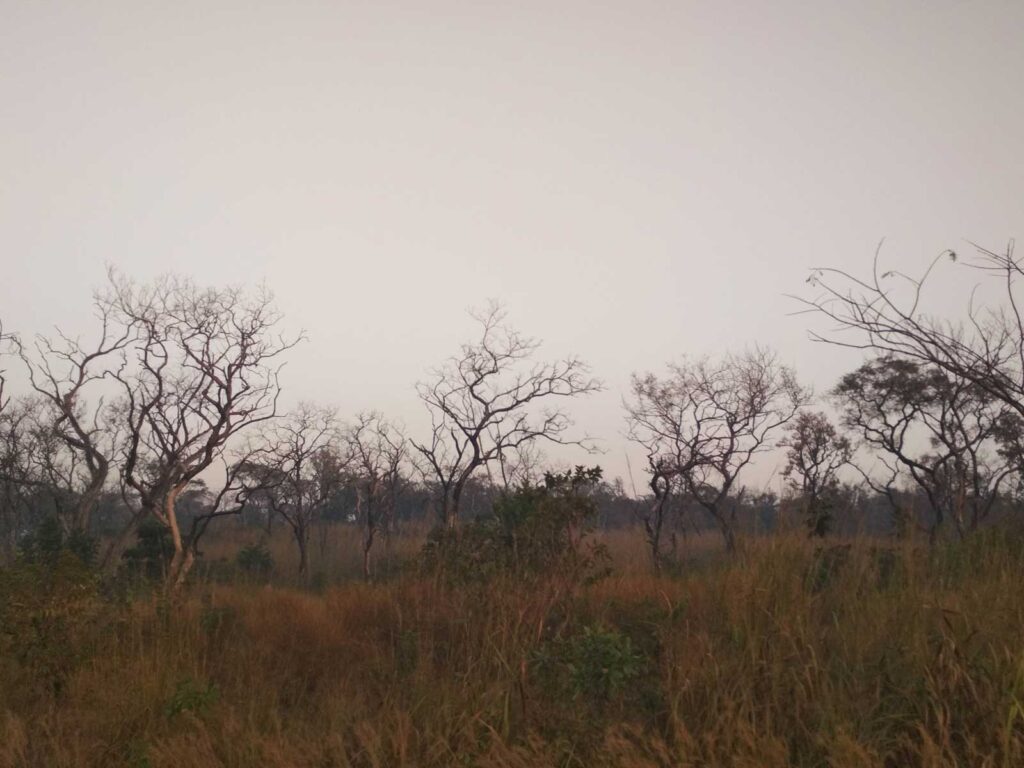
Thanks to the dedication of our experienced senior members, we were able to advance step by step toward our goals. With funding from the Quick Response Fund for Nature (QRFN), we purchased 420 hectares of land located between Mount Gban and Mount Nimba. The project was welcomed and morally supported by the Bossou IREB station and CEGENS, both of which partnered with us. The purchased land is ecologically diverse, consisting of secondary Guinean lowland forests, secondary savanna, and farmbush vegetation scattered with mid‑sized trees. This purchase would not have been possible without QRFN support, which covered 100% of land‑acquisition costs; any additional expenses were paid from our non‑restricted resources.
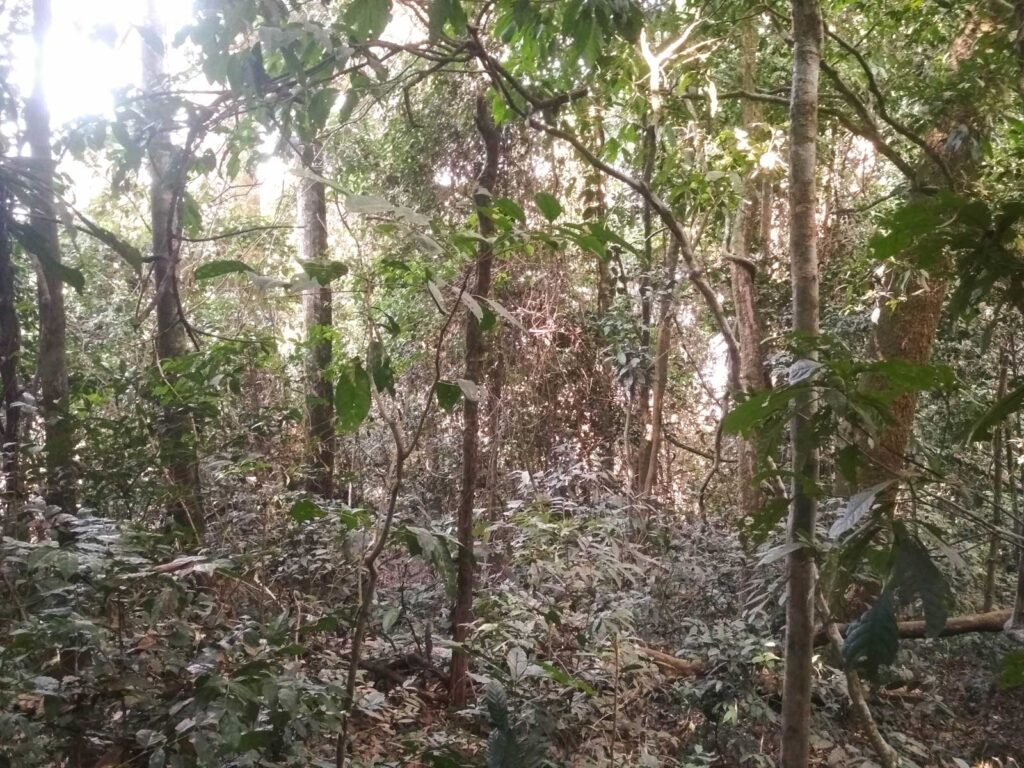
The acquired land lies in an uninhabited area between Bossou, Seregbara, and Tou. Local communities traditionally held consumer rights to these lands, so we conducted a series of community meetings, with support from IREB and CEGENS representatives, to ensure fair and transparent negotiations. Through these discussions, we reached mutually beneficial agreements: the communities received fair compensation, and we secured the land for long‑term protection.
Our next step is the reforestation of the secondary savanna and farmbush areas. Considering the needs of the chimpanzees, the restoration will focus primarily on planting native fruit‑tree species. Seedling planting is scheduled for May/June of this year, just before the wet season begins.
Written by Adam Jakab (Guinean Park) and edited by Sanjiv Fernando